Case study 1
CO₂ conservatory case study.
A conservatory used as a home office was getting stuffy and reducing comfort and productivity. Envometrics monitoring showed why — then helped prove the improvement.
Problem
A bright workspace that became stale when people were in it.
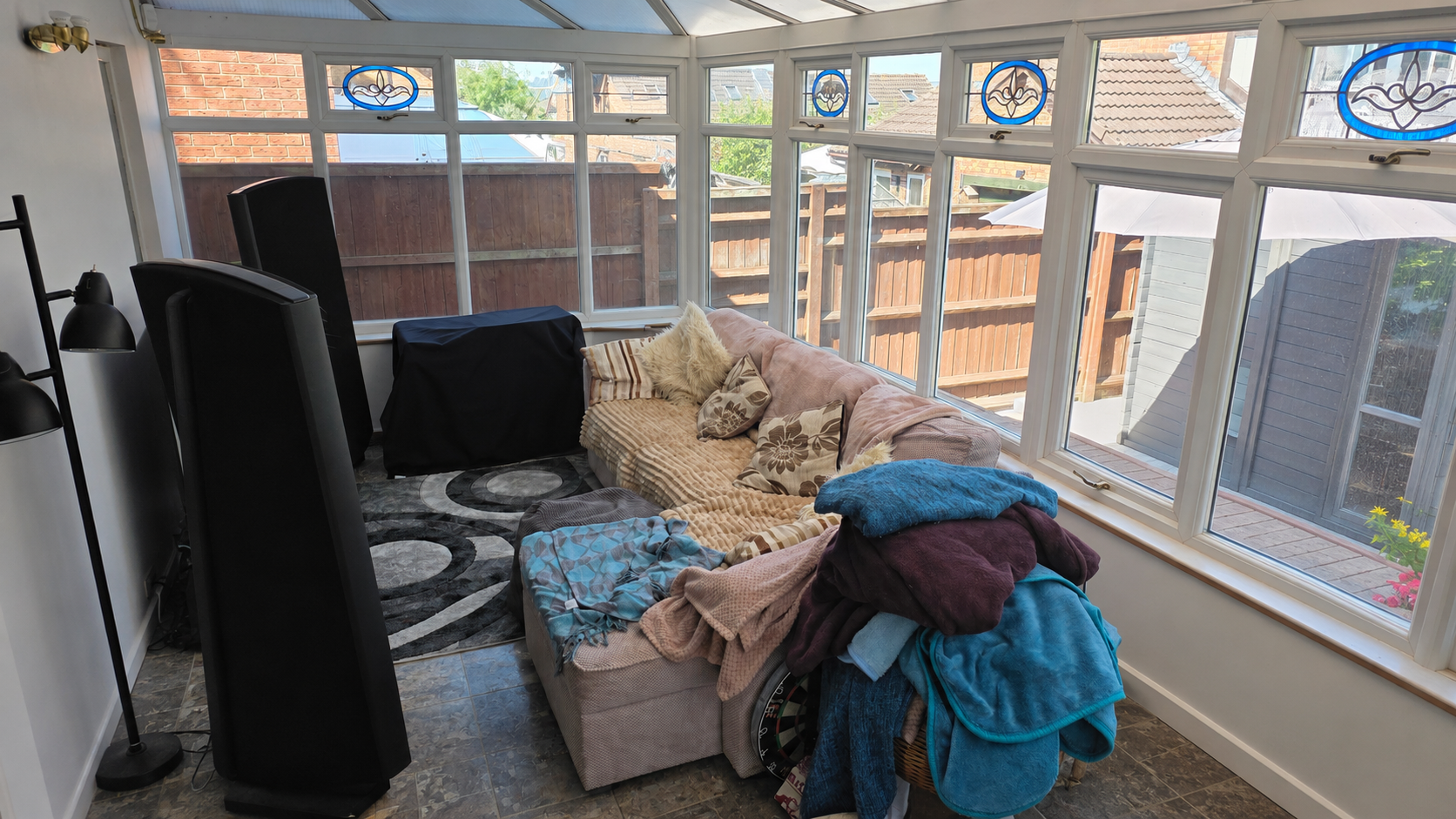
A conservatory being used as a home office was becoming stuffy, especially when two or three people were present. CO₂ monitoring showed readings rising as high as 1,100ppm, a level that strongly suggests the air is no longer feeling fresh and can make concentration harder.
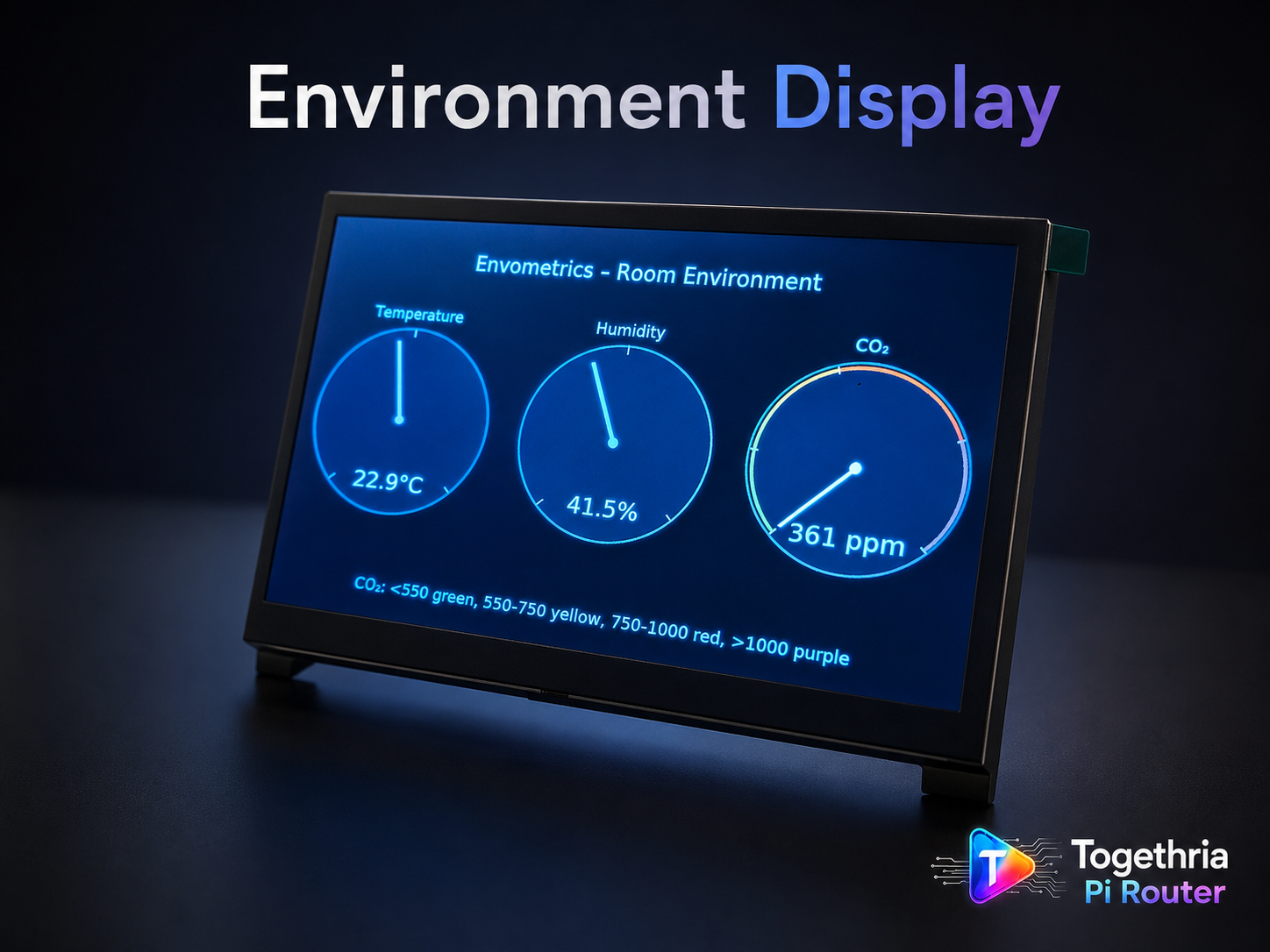
Because CO₂ changes with occupancy, ventilation and plant activity, Envometrics gave a clear way to see what was happening rather than relying on guesswork.
What the data showed
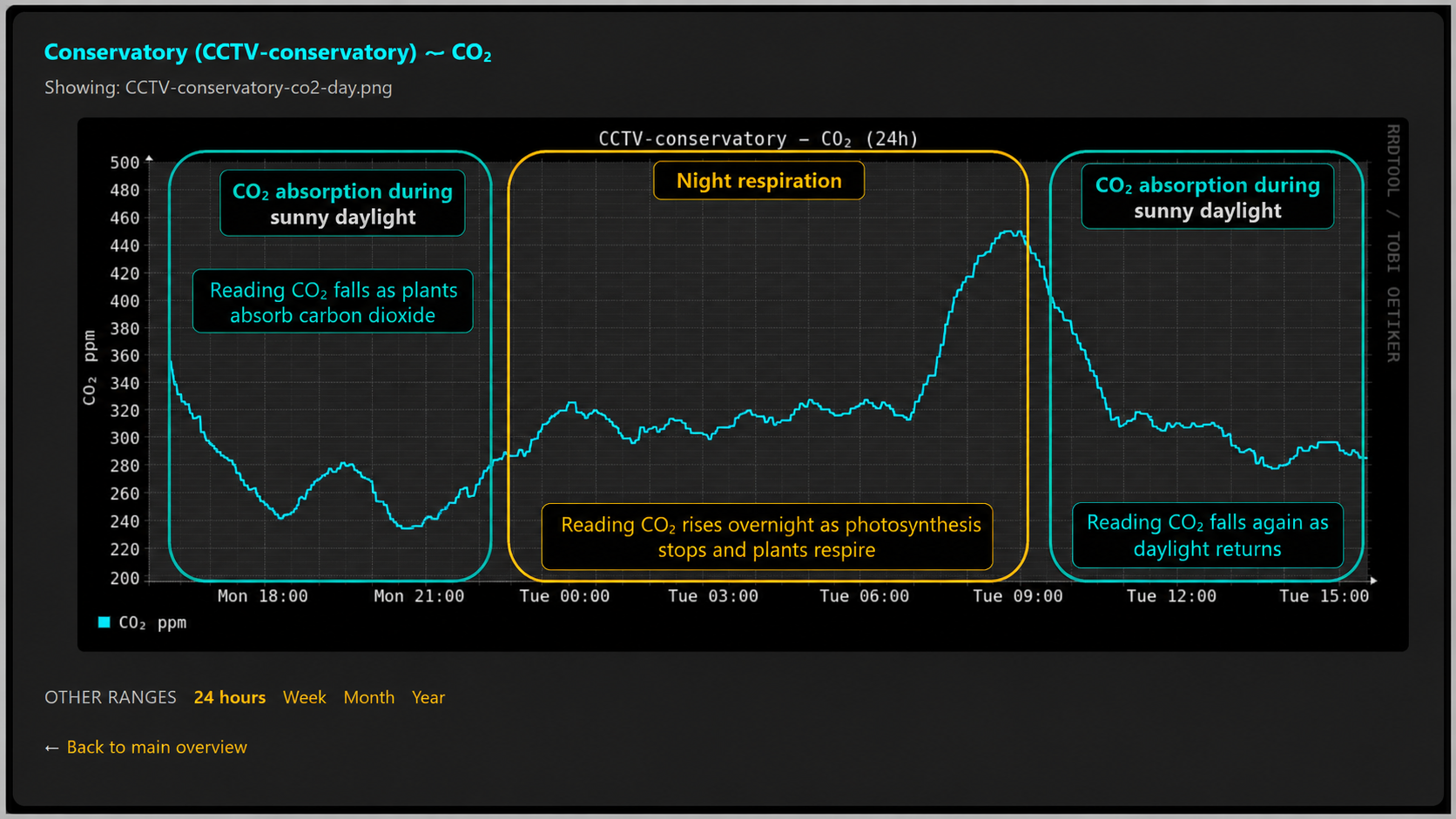
CO₂ fell during sunny daylight and rose when photosynthesis stopped.
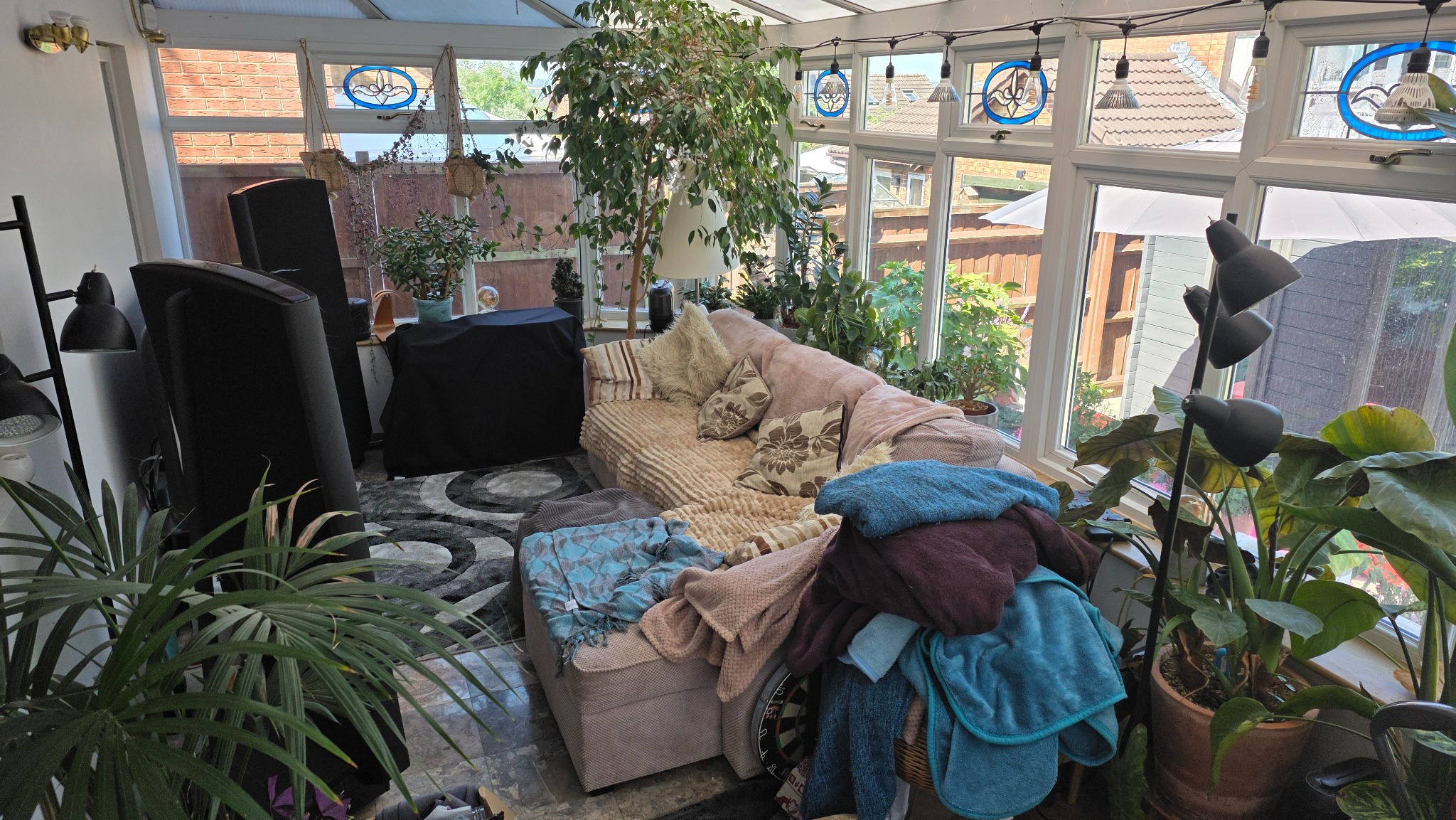
After the conservatory was populated with leafy tropical plants, including elephant-ear style Alocasias and Colocasias, CO₂ consumption became apparent during longer summer days. The graph shows readings falling during sunny daylight as the plants absorb carbon dioxide, then rising overnight when photosynthesis stops and the plants respire.
For this space, the plant solution fixed the CO₂ problem completely during the brighter summer period.
Practical remedy
Plants, care packages and controlled lighting.
Envometrics can advise, supply and maintain plants to freshen and improve office and home work spaces, with an ongoing care package so the solution does not quietly become another thing for staff to look after.
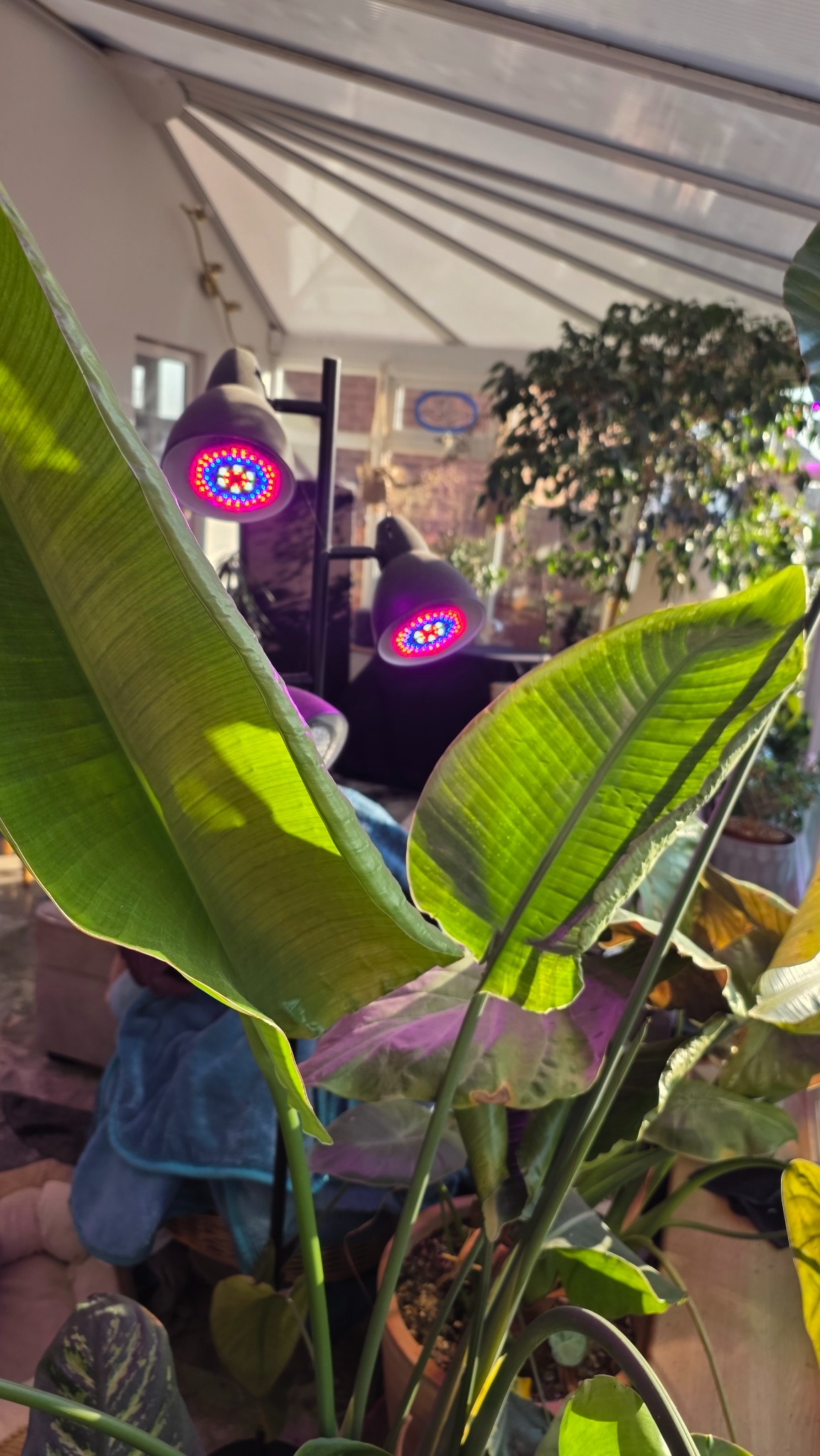
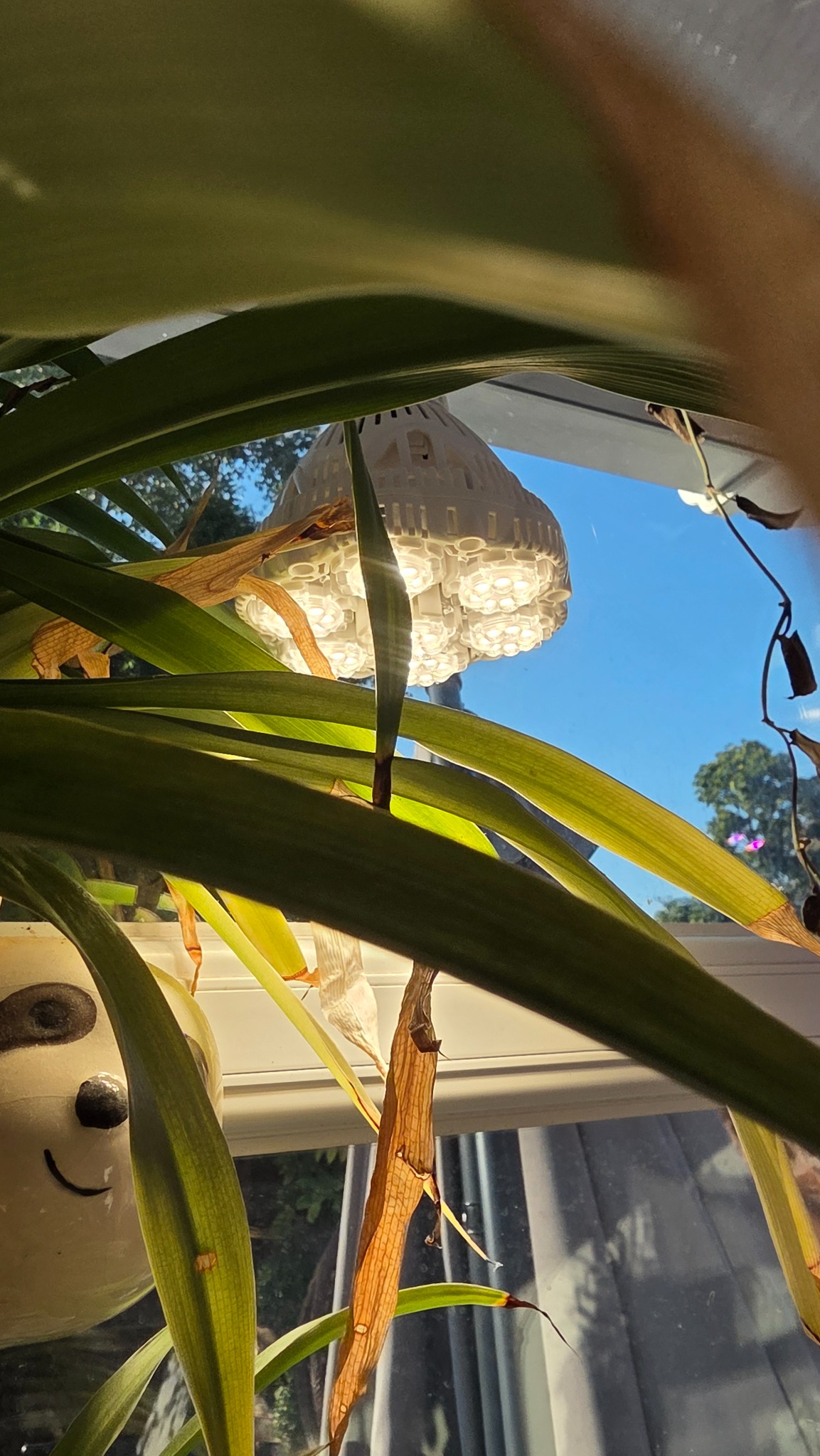
Where natural daylight is poor, hydroponic or horticultural lamps can be controlled by the Envometrics system to extend the photosynthetic window into evenings, darker winter days or selected night periods. This can help keep plant CO₂ absorption more consistent when daylight alone is not enough.
The same monitoring can also control alerts, log long-term performance and show whether the plant and lighting package is actually improving the environment.